How to choose trees for your garden and where to plant them?
Creating a balanced garden starts with smart planning and the right choices. Discover how to choose trees for your garden and where to plant them to create a healthy and lasting landscape! This guide shows how to select tree species, match them to conditions, and plan planting so Your garden grows beautifully for years.
How to choose trees for your garden and where to plant them step by step?
Choosing how to choose trees for your garden and where to plant them starts with a simple process that connects plant needs with Your space. You must match the right tree to the right place. This approach supports healthy growth and prevents common problems in the future.
First, You should assess Your garden conditions. Check soil type, drainage, and hours of sun. Some trees grow well in full sun and need at least 6 hours of light, while others tolerate shade. Next, consider how trees grow over time. Mature height and width matter because large trees need a lot of room and can affect nearby structures.
Then, You should select trees based on function. Some trees provide shade, others offer beautiful flowers, and some act as windbreaks. A gardener often combines trees and shrubs to build a balanced landscape. After selecting a tree species, focus on proper planting. Prepare the planting site, handle the root ball carefully, and be sure to water regularly. With proper care, trees grow strong and stay healthy for generations to come.
See also: 25 Stunning Home Renovations That Made Waves in 2025
How to choose trees for your garden and where to plant them step by step?
Choosing how to choose trees for your garden and where to plant them works best when You follow a clear sequence. This step-by-step method helps You select trees, plan planting, and avoid common mistakes that affect long-term growth.
- Assess Your garden conditions
First, check soil type, drainage, and hours of sun. Most trees need at least 6 hours of sunlight, while some species tolerate partial shade. Good drainage prevents root problems and keeps trees healthy. - Define the purpose of planting
Next, decide what role the tree will play. Some trees provide shade, others produce fruit, and some improve the landscape visually with flower or leaf color. This step helps You choose the right tree or shrub for Your garden. - Select suitable tree species
Then, select trees adapted to local conditions. Native trees often perform better and require less maintenance. You can consider species such as maple, oak, birch, or dogwood depending on Your climate and soil. - Check mature size and space requirements
After that, evaluate how tall and wide the tree will grow. Mature height and spread will vary by species, so large trees need a lot of room. This helps You avoid planting too close to buildings or power lines. - Prepare the planting site properly
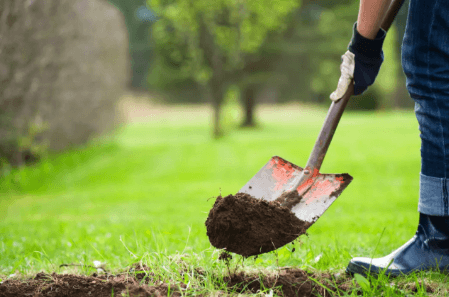
Next, prepare the soil and dig a hole that fits the root ball. Planting at the correct depth is essential, because improper placement can damage the root system. - Plant and water correctly
Then, place the tree carefully, fill the soil, and be sure to water thoroughly. Consistent watering supports early root development and helps the tree establish faster. - Maintain and monitor growth
Finally, provide proper care after planting. Prune when necessary, observe tree roots, and monitor overall condition. With the right care, trees grow strong and support a healthy home landscape for many years.
See also: 25 Stunning Home Renovations That Made Waves in 2025
What to consider before choosing trees for your garden?
You should consider site conditions, long-term growth, and maintenance before choosing trees for your garden. These factors decide whether trees stay healthy and fit Your home landscape. A well-planned tree selection prevents issues such as poor growth, damaged roots, or conflicts with structures.
First, look at the soil type and moisture level. Some trees grow well in sandy soil, while others prefer richer ground that holds water. However, poor drainage can damage the root system, especially for species that do not like wet feet. In this case, improving drainage may be necessary before planting. At the same time, check Your local hardiness zone or USDA hardiness zone to select trees adapted to local climate conditions. Trees adapted to local environments require much less maintenance and stay healthier over time.
Next, consider how much space You have. Many trees grow tall and wide, so their mature size must match Your garden. Large trees need a lot of room, while smaller species or a shrub may suit compact spaces better. You should also think about overhead utility lines and nearby buildings. Planting too close can create problems as tree roots expand and branches grow. A common mistake is choosing a tree that looks small at the nursery but becomes too large later.
Additionally, think about function and aesthetics. Some trees provide shade, others offer beautiful flowers or attractive leaf color. Fruit trees can produce food for wildlife and for You, while evergreens provide year-round structure. If You want a diverse landscape, combine different types of trees and shrubs. This approach supports biodiversity and creates a more natural and balanced garden environment.
How to choose the right trees for your garden conditions?
You choose the right trees for your garden conditions by matching tree species to soil, climate, and light. This ensures trees grow properly and stay healthy over time. When the right tree fits the right place, maintenance becomes easier and the garden looks natural.
First, focus on adaptation. You should select trees suited to Your hardiness zone and local conditions. Native trees such as oak or birch usually perform better and require less care. If You want decorative options, species like crabapple or dogwood can add beautiful flowers while still adapting well to many environments.
Next, consider soil and light. Good drainage protects the root system, while poor conditions can damage young trees. At the same time, most trees need at least 6 hours of sun, especially fruit trees. Matching these factors helps You choose and plant trees that grow strong and fit Your home landscape.
Where to plant trees in your garden for best growth?
You should plant trees in your garden where they have enough space, proper light, and conditions suited to their growth. The right planting site directly affects how trees grow, how strong their root system becomes, and how well they fit into Your home landscape. A poorly chosen location often leads to issues with roots, shade, or even damage to buildings over time.
First, think about distance from structures. Large trees need a lot of room, both above and below ground, so planting too close to a house or fence is a common mistake. Roots can expand and affect foundations, while crowns grow tall and wide. That is why it is worth checking practical recommendations before planting. If You want to understand which trees are suitable near buildings and how to plan this safely, you can find a helpful guide here: https://idomowy.pl/jakie-drzewa-mozna-sadzic-blisko-domu/. This kind of planning helps You choose a tree that will not cause problems in the future.
Next, match the location to natural conditions. Some trees need full sun and at least 6 hours of light, while others tolerate partial shade. Soil type also matters, because some species prefer dry ground and others grow better in moist conditions. Proper drainage supports healthy roots and prevents long-term damage. When You combine space, light, and soil correctly, trees grow stable, strong, and become a natural part of the garden.
See also: Biscuits Tin Containers: Fresh and Stylish Storage for Your Cookies
How far apart should you plant trees in your garden?
You should plant trees in your garden with enough space to match their mature height and width. Proper spacing supports healthy growth, stable roots, and balanced crown development. When trees are planted too close, they compete for light, water, and nutrients, which weakens their condition over time.
Spacing depends on the type of tree. Smaller species or a shrub can grow well with just a few meters between them, while large trees such as oak or maple need significantly more room. Their crown can become wide, and their root system spreads underground, so planting them too close often leads to long-term problems. It is always better to leave extra space than to correct mistakes later.
Apart from growth, You also need to consider formal requirements. Regulations often define how far trees should be planted from a boundary or fence. To avoid misunderstandings and plan Your garden with confidence, it is worth checking detailed guidelines here: https://morzearchitektury.pl/ile-od-granicy-dzialki-mozna-sadzic-drzewa/. This way, You combine practical planting with legal safety and create a well-organised landscape.
FAQ – Most common questions about choosing and planting trees
How to choose trees for your garden and where to plant them correctly?
You choose trees for your garden and where to plant them by matching the species to soil, light, and available space. The right tree must fit the planting site and future growth conditions. This approach helps trees grow strong and prevents problems with roots or shade.
What is the best time to plant trees in the garden?
The best time to plant trees is early spring or autumn. During these periods, soil conditions support root development and reduce stress for a new tree. Planting at the right time helps trees establish faster and grow more stable.
How far from the house should you plant trees?
You should plant trees at a distance that matches their mature size, usually at least several meters from the house. Large trees need more space because their roots and crown expand over time. Proper distance protects both the building and the tree.
Which trees grow best in small gardens?
Trees that grow best in small gardens are compact species or slow-growing varieties. Options such as crabapple, dogwood, or small birch work well because they do not require much space. Choosing smaller trees helps maintain balance in a limited area.
Do trees need a lot of maintenance after planting?
Trees do not require much maintenance if they are planted in the right conditions. However, regular watering, occasional pruning, and monitoring growth are necessary in the early stages. With proper care, trees stay healthy and develop strong roots.