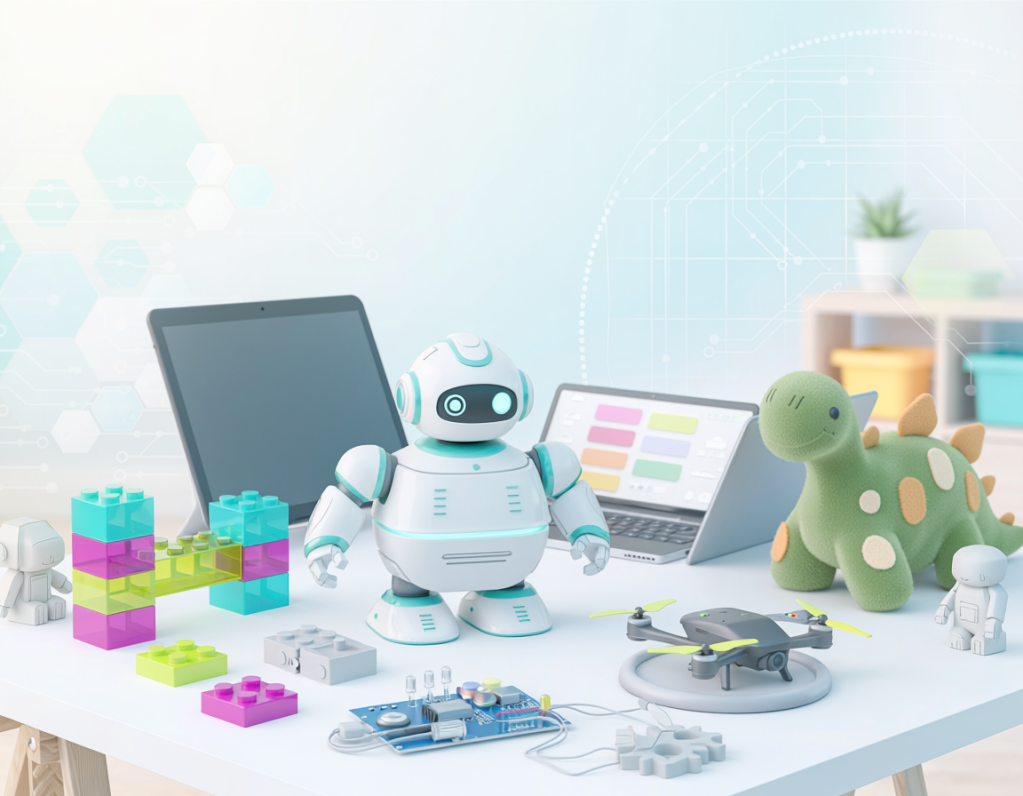
How a Heritage Toy Brand Reboots for Modern Audiences
A heritage toy brand carries decades of memories, play patterns and design heritage. Rebooting it for modern audiences is a delicate balancing act: preserve the emotional core that older generations recognize while reshaping product design, storytelling, and distribution to resonate with new children and adult collectors alike. This article explores the strategic moves that help a storied toy maker re-emerge as culturally relevant, commercially viable, and creatively fresh.
Honoring Brand DNA Without Being Nostalgia-Trapped
A successful reboot begins with a clear audit of what makes the brand distinctive. That could be a signature aesthetic, a set of characters, particular materials, or a philosophy about play. The goal is to distill those essentials into a concise brand DNA statement that guides everything from product development to marketing. Once clarified, designers can make intentional choices: maintain a recognizable silhouette, update color palettes for contemporary tastes, or reinterpret classic characters in ways that expand their emotional range.
At the same time, teams must resist the temptation to rely solely on nostalgia. Older collectors may buy on nostalgia alone, but attracting families who did not grow up with the brand requires relevance. That means redesigning packaging, refreshing logos, and ensuring the tactile experience meets current safety and sustainability standards. A reboot that feels like a museum piece risks limiting its audience; one that leans too heavily on trends risks losing its long-term identity.
Product Innovation Meets Play Psychology
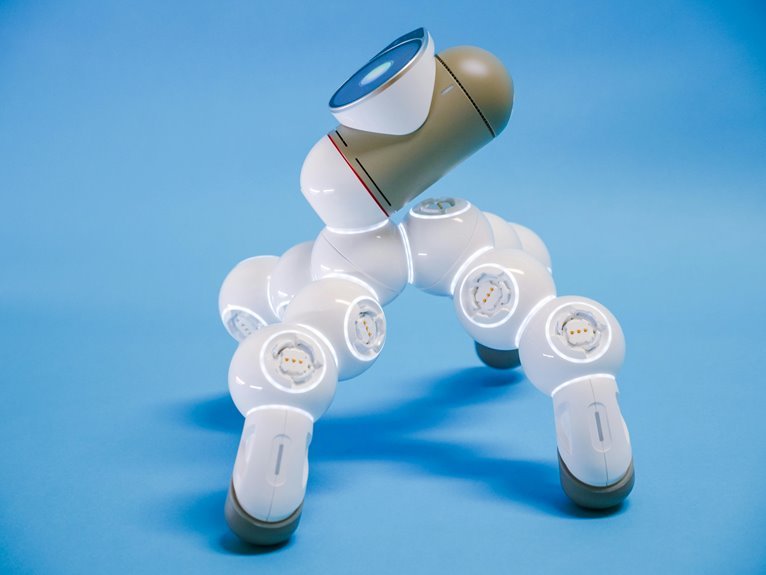
Modern children engage with toys differently than previous generations. Screen time and digital interactivity have shifted expectations, but that shift is an opportunity rather than a threat. A rebooted heritage brand can integrate analog and digital play in thoughtful ways: companion apps that extend storytelling, augmented reality layers that animate physical sets, or modular systems that invite building and customization. Importantly, digital features should enhance rather than replace hands-on play.
Design teams benefit from partnering with child development experts to ensure products foster creativity, problem-solving, and social interaction. For collector lines, premium materials and attention to detail matter. Limited editions, artist collaborations, and high-quality finishes can create a secondary market and sustained interest among adults. Meanwhile, core playlines should be robust, intuitive, and capable of capturing a child’s imagination across repeated sessions.
Storytelling and Multi-Platform Content
Reboots thrive when they are anchored by compelling narratives. A modern story universe can reintroduce legacy characters with richer backgrounds, new motivations, and contemporary challenges. This narrative can be woven across multiple platforms: short-form social content that teases character personalities, animated shorts that explore origin stories, and longer-form streaming partnerships that deepen engagement. Story-driven product releases—where toys tie into episodes or webisodes—can create a cadence that keeps audiences returning.
Crucially, storytelling must be inclusive and reflective of diverse families. Reimagining characters to be more representative, and crafting plots that explore empathy, resilience, and cooperation, allows the brand to connect with a broader demographic. Collaborations with writers, animators, and cultural consultants produce richer, more authentic worlds that avoid tokenism.
See also: Enhancing Automotive Business Performance Through Strategic Practices
Reframing Retail and Community Engagement
The retail landscape has transformed, so heritage brands must rethink where and how they meet buyers. Direct-to-consumer channels allow for storytelling-rich product pages, community features, and exclusive releases that generate buzz. Brick-and-mortar experiences remain valuable, but they must offer more than shelves: immersive pop-ups, interactive demos, and hands-on workshops can turn a store visit into an event.
Community-building is another frontier. Fans—both young and old—are powerful brand advocates when nurtured. Brands can cultivate forums, creative contests, and user-generated content campaigns that showcase fan creations. Collector clubs with early access, curated boxes, and behind-the-scenes content deepen loyalty. These initiatives create a virtuous cycle: engaged communities provide feedback, inspire product directions, and amplify launches.
Partnerships, Licensing, and Cultural Collaborations
Strategic partnerships accelerate relevance. Licensing iconic characters into new media, co-designing with contemporary artists, or aligning with popular franchises can inject fresh energy into legacy IP. Cross-industry collaborations—such as with fashion houses, tech startups, or educational organizations—open new markets and refresh perceptions. But alliances should be chosen to amplify the brand’s values rather than dilute them. A carefully curated collaboration can create headline moments that reframe public perception and broaden appeal.
When approaching partnerships, successful brands prioritize long-term storytelling potential over one-off stunts. Multi-year collaborations that support product development, content co-creation, and joint marketing deliver deeper engagement than fleeting promotions.
Sustainability, Safety, and Ethical Design
Modern consumers expect ethical stewardship. Rebooting a heritage brand offers an opportunity to align with contemporary standards for sustainability and safety. Transitioning to recycled materials, reducing packaging waste, and providing transparent sourcing narratives resonate with parents making purchase decisions. Safety remains non-negotiable; iterative testing and compliance with stringent standards build trust.
Ethical design also extends to manufacturing practices and workforce transparency. Brands that invest in fair labor practices and local manufacturing narratives can communicate a modernized value proposition that honors the past while committing to future responsibility.
Measuring Impact and Iterating Fast
Finally, reboot efforts should be data-informed and iterative. Track purchase patterns, social engagement, and product return rates to understand what resonates. Use short-run production and limited drops to test concepts before scaling. Feedback loops with retail partners and fan communities provide qualitative insights that numbers alone cannot reveal.
A modern reboot is never truly finished; it evolves with culture, technology, and consumer preferences. By marrying a clear sense of brand DNA with agile product development, compelling storytelling, and ethical practices, a heritage toy company can recapture the imagination of new generations while honoring the legacy that made it beloved. Strategic pivots, intentional collaborations, and community-first thinking create a revitalized identity that stands both as a tribute to the past and a living brand for the future. Along the way, visibility and credibility are enhanced when major industry names—such as Mattel—demonstrate that reinvention is possible without losing what made the brand special.