Faith in Action: Building Stronger Communities Through Service
Faith has long been a powerful force in shaping communities. Beyond personal belief and worship, it often inspires people to serve others, solve problems, and create spaces where compassion thrives. Across neighborhoods, cities, and nations, acts of service rooted in faith continue to make a lasting difference.
When people turn belief into action, communities become stronger, more connected, and more resilient. Whether through feeding families, mentoring youth, supporting the elderly, or responding during crises, faith in action has the ability to transform lives in practical and meaningful ways. Community-driven platforms, including entertainment spaces related to Parimatch slots and casino apk services, also rely heavily on engagement and collective participation.
Service as the Heart of Faith
Most faith traditions emphasize kindness, generosity, humility, and care for others. Service is not simply an optional activity; it is often seen as a direct expression of spiritual values. Helping those in need reflects the deeper purpose of faith: loving others and contributing to the common good.
This kind of service can take many forms. Some volunteers at food banks, shelters, and hospitals. Others provide emotional support, counseling, or educational programs. In many places, faith communities organize clothing drives, health outreach events, and community clean-up projects.
What makes faith-based service unique is its consistency. While some charitable efforts are seasonal or event-based, many faith groups serve year-round. Their commitment often comes from a sense of calling rather than convenience. This steady presence builds trust and gives communities dependable support systems.
Strengthening Relationships and Social Bonds
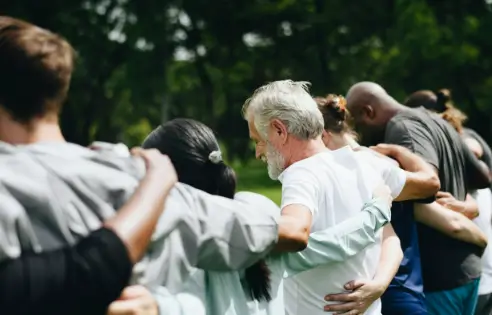
One of the greatest benefits of service is the way it brings people together. In a time when many people feel isolated or disconnected, community service creates opportunities for meaningful relationships. Volunteers meet neighbors they may never have spoken to otherwise. Families work side by side. Different generations learn from one another.
Faith communities often become gathering places where people find belonging. A person may arrive seeking help and later become a volunteer helping others. This cycle creates dignity and shared responsibility rather than dependence.
Service also bridges differences. People from various economic backgrounds, cultures, and age groups can unite around a common purpose. Working together to solve local problems often reduces division and builds mutual respect.
Strong communities are not built only through infrastructure or policy. They are built through relationships, trust, and people who care enough to show up for one another. Faith-inspired service helps create those bonds.
Meeting Real Needs in Practical Ways
Communities face many challenges: poverty, loneliness, unemployment, addiction, food insecurity, and limited access to resources. Government programs and nonprofit organizations play important roles, but they cannot solve every issue alone. Faith-based service often fills critical gaps.
Local congregations and religious organizations are deeply connected to their neighborhoods. They understand the needs of the people around them and can respond quickly. During emergencies such as floods, conflict, or economic hardship, faith groups are often among the first to offer shelter, meals, donations, and emotional support.
They also help in long-term ways. Many run schools, skills training centers, youth mentorship programs, marriage counseling, and recovery groups. These efforts do more than address immediate problems; they help people rebuild their lives.
Even small acts matter. Delivering groceries to an elderly neighbor, visiting someone who is sick, tutoring a child after school, or simply listening to someone in pain can have a life-changing impact. Strong communities are often shaped by ordinary people doing consistent acts of kindness.
See also: The Ethics & Governance of Bio-Integrated Tech
Inspiring the Next Generation to Serve
Another powerful outcome of faith in action is the example it sets for younger generations. Children and young adults who grow up seeing service become more likely to value compassion and civic responsibility.
When youth participate in volunteer work, they learn leadership, teamwork, empathy, and gratitude. They begin to understand that success is not only about personal achievement but also about contributing to others.
Faith communities can play an important role in mentoring young people by giving them opportunities to lead projects, organize events, and care for those in need. This helps create future leaders who understand the importance of service-driven communities.
In a world often focused on individual gain, teaching service as a way of life is one of the most valuable legacies any community can offer.
Conclusion
Faith becomes most visible when it moves beyond words and into action. Prayer, worship, and spiritual reflection are meaningful, but communities are transformed when compassion is practiced daily.
Building stronger communities does not always require massive funding or large institutions. It often begins with willing hearts, helping hands, and a commitment to care for others. Every meal shared, every life encouraged, and every burden lightened adds to the strength of a neighborhood. Faith in action reminds us that service is more than charity; it is partnership, dignity, and hope. When people choose to serve, they create communities where everyone has a better chance to thrive.