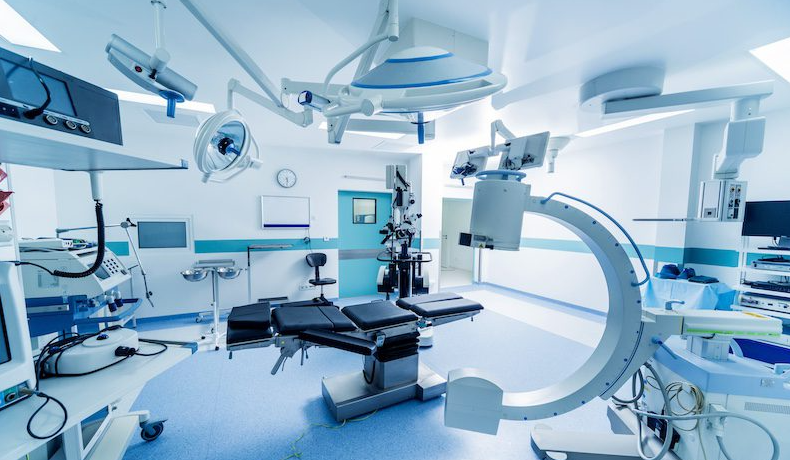
Enhancing Healthcare Efficiency and Safety with Disposable Hospital Supplies
Hospitals and healthcare facilities operate in environments where hygiene, safety, and efficiency are critical. One of the most effective ways to maintain these standards is through the use of disposable products. These items, designed for single use, help reduce the risk of infections, streamline medical procedures, and ensure a safer experience for both patients and healthcare professionals.
This article explores the hospital disposable items industry, highlighting their types, applications, and benefits for modern healthcare practices.
Understanding Hospital Disposable Items
Hospital disposable items are single-use products intended for medical procedures, patient care, or hospital operations. They are designed to be discarded after use, preventing contamination and the spread of infections. These items range from personal protective equipment (PPE) to surgical tools and everyday medical supplies.
Key Types of Hospital Disposable Items
Hospital disposable items cover a wide array of categories, including:
- Personal Protective Equipment (PPE): Gloves, masks, gowns, face shields, and caps that protect both patients and healthcare workers.
- Surgical Instruments: Single-use scalpels, forceps, syringes, and surgical drapes that maintain a sterile environment in operating rooms.
- Patient Care Supplies: Bed sheets, pillow covers, patient gowns, and incontinence products for maintaining hygiene.
- Laboratory and Diagnostic Supplies: Test tubes, pipettes, petri dishes, and sample collection kits.
- Infection Control Products: Disposable wipes, hand sanitizers, and sterilization wraps.
The widespread use of these items ensures that hospitals can manage patient care efficiently while minimizing health risks.
Advantages of Using Disposable Items in Hospitals
The adoption of hospital disposable items offers multiple benefits that enhance healthcare delivery.
Improved Infection Control
Disposable products significantly reduce the risk of healthcare-associated infections (HAIs). For example, single-use gloves and syringes prevent cross-contamination between patients, contributing to a safer hospital environment.
Cost-Effective Operations
While disposable items are used only once, they often reduce long-term costs related to sterilization, maintenance, and labor for cleaning reusable equipment. Hospitals save resources while maintaining hygiene standards.
Convenience and Efficiency
Disposable items are ready to use and eliminate the need for complex sterilization procedures. This allows healthcare staff to focus on patient care rather than cleaning or preparing equipment.
Compliance with Health Regulations
Hospitals using disposable products meet strict health and safety regulations, ensuring compliance with guidelines set by organizations like the World Health Organization (WHO) and local health authorities. This adherence protects both patients and the facility from potential health and legal risks.
Common Hospital Disposable Items
A typical hospital relies on a wide range of disposable products across different departments. Some common items include:
Personal Protective Equipment
- Gloves: Provide protection during examinations and surgical procedures.
- Masks and Respirators: Reduce airborne infection risks.
- Gowns and Aprons: Shield staff during high-risk procedures.
- Face Shields and Caps: Offer additional protection for eyes, hair, and face.
Surgical and Procedural Supplies
- Syringes and Needles: Used for injections, vaccinations, and sample collection.
- Scalpels and Blades: Ensure precision and hygiene during surgeries.
- Surgical Drapes: Maintain sterile operating environments.
- Catheters and IV Sets: Facilitate fluid administration and patient monitoring.
Patient Care Items
- Bed Sheets and Pillow Covers: Maintain cleanliness in patient rooms.
- Patient Gowns: Offer comfort and allow for easy medical examinations.
- Incontinence Products: Promote hygiene and prevent infections.
Laboratory and Diagnostic Supplies
- Test Tubes and Petri Dishes: Used in sample collection and analysis.
- Pipettes and Swabs: Assist in precise sample handling.
- Specimen Containers: Securely store and transport biological samples.
Infection Control Products
- Disinfectant Wipes and Sprays: Ensure clean surfaces and reduce contamination.
- Sterilization Wraps and Pouches: Keep surgical tools sterile until use.
- Hand Sanitizers: Promote hand hygiene among staff and visitors.
See also: Enhancing Professional Skills: Mental Health Courses
Importance of Hospital Disposable Items in Modern Healthcare
Hospital disposable items play a crucial role in supporting efficient healthcare operations.
Inventory and Stock Management
Proper management of disposable items hospital disposable items ensures hospitals never run out of critical supplies, even during emergencies. Maintaining a consistent inventory allows uninterrupted patient care.
Cost Management
Hospitals can optimize their budgets by focusing on high-demand disposable products and reducing costs associated with reusable alternatives, including sterilization equipment and labor.
Standardization Across Departments
Standardizing disposable items ensures consistency in patient care and reduces errors. Every department uses the same high-quality products, which simplifies staff training and operational procedures.
Streamlined Supplier Coordination
A clear understanding of required disposable items allows hospitals to coordinate effectively with suppliers, ensuring timely delivery and reducing procurement delays.
Emerging Trends in the Disposable Items Industry
The hospital disposable items industry continues to evolve to meet healthcare demands and technological advancements.
Eco-Friendly Products
Many manufacturers are developing biodegradable gloves, gowns, and packaging materials to minimize environmental impact and medical waste.
Advanced Material Technologies
Innovative materials offer enhanced comfort, durability, and infection prevention. For example, antimicrobial surfaces in gloves and surgical drapes further reduce infection risks.
Automation and Smart Packaging
Barcodes and RFID technology enable real-time tracking of hospital disposable items, improving inventory management and reducing stock shortages.
Pre-Assembled Kits
Hospitals increasingly use pre-assembled disposable kits for specific procedures. These kits save preparation time, ensure all necessary items are available, and reduce the risk of errors.
Conclusion
Hospital disposable items are indispensable in modern healthcare, enhancing patient safety, operational efficiency, and infection control. Their wide range of applications—from PPE to surgical instruments and laboratory supplies—ensures smooth and safe hospital operations.
By integrating disposable items into daily healthcare practices, hospitals can reduce infection risks, streamline procedures, and maintain compliance with health regulations. The ongoing innovations in materials, sustainability, and automation will continue to make these items even more effective, reliable, and essential for the future of healthcare.
Hospital disposable items are no longer just supplementary products; they are vital components of a safe and efficient healthcare system, contributing significantly to improved patient outcomes and overall hospital performance.